
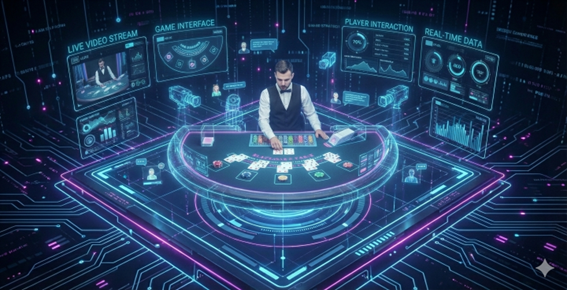
The New Stage: Live Streaming Tables
A live dealer isn’t just someone who flips cards or spins a wheel. They’re entertainers, hosts, and customer service pros all at once. When it comes to an online casino, the dealer’s job is to bring the real-world energy of a casino right to your screen. That means they need to look sharp, deal fast, and keep the game flowing naturally—even when they’re talking to a camera instead of a crowd.
Live streaming setups are built like mini TV studios. There are cameras, lights, microphones, and monitors. Dealers learn how to work with all of that. They’re trained to focus on the lens, smile naturally, and keep an eye on the digital table. It’s a bit like learning to juggle while chatting with friends.
The Basics Come First
Before dealers go live, they go through a lot of training. It starts with the basics of card dealing, wheel spinning, and chip handling. Even if they’ve worked in a real casino before, online training adds a new twist.
Dealers learn to:
- Handle multiple cameras and chat windows.
- Follow strict game rules while staying friendly.
- Keep the pace right so players don’t get bored or rushed.
- Use software that tracks bets and payouts in real time.
This training helps them get ready for all types of online casino games that pay real money, from blackjack and baccarat to roulette and poker. It’s not just about flipping cards; it’s about keeping the vibe alive for players everywhere.
Practice with Real Equipment
Training isn’t just reading a manual. Dealers practice with the same gear used in live studios. They work with real tables, real cards, and live-streaming tools. The goal is to make every online casino real experience feel natural.
Instructors watch every move. They check how dealers shuffle, how they talk, and how they react to virtual players. Mistakes are part of the process. One day, a dealer might forget which camera to look at. The next day, they’re smooth as silk. It’s all part of the grind.
This practice also includes learning how to handle technical issues. Maybe the stream freezes. Maybe a chat message doesn’t load. Dealers are trained to stay calm and keep things cool.
Communication and Personality Training
The best live dealers have style. They know how to talk to players, crack a small joke, and keep the energy up. That’s why communication training is a big part of the process.
Dealers practice speaking clearly and politely. They learn to read messages quickly and reply in a friendly way. Since players join from all over, clear language helps everyone follow the game.
A little personality goes a long way too. Dealers are encouraged to be themselves. Whether they’re hosting online casino slots or a table game, players enjoy someone who feels genuine.
Understanding the Tech Behind the Table
You can’t run a smooth live stream without solid tech skills. Dealers learn about the systems that make games work. They study camera angles, lighting setups, and streaming software.
They also train with the game control unit, a small box that connects the table to the online system. It records every card, spin, and bet. This tech ensures the games are fair and transparent—just like at a real casino.
For players who enjoy an online casino for free, these same systems make sure every spin and deal feels real, even without real money on the line.
The Importance of Professional Standards
Live dealers represent the face of many online casinos. So, professionalism matters. That means neat uniforms, clean speech, and steady focus. Dealers are trained in customer service and fair play. They also study game regulations to make sure every round follows the rules.
These standards are what make an online casino legit. Players trust that the person on screen knows what they’re doing. It’s not just about fun—it’s about trust.
Bonuses, New Players, and the Dealer’s Role
When you join an online casino new to the scene, you might see offers like an online casino bonus with no deposit or an online casino new player bonus. Dealers play a part in keeping that excitement alive.
They welcome new players, explain game basics, and keep the table friendly. It’s like walking into your local bar and seeing a familiar face behind the counter. A good dealer can turn a first-time visitor into a regular.
Adapting to Different Game Types
Not every game is the same, and dealers train for each one separately. Blackjack dealers focus on quick math and timing. Roulette dealers need rhythm and precision. Poker dealers learn how to keep track of multiple players and bets.
For online casino slots real money players, the dealer’s role is often more about hosting and keeping the vibe positive. Even though slots are automated, live hosts sometimes run promotions or chat with viewers to keep things lively.
Handling Player Interaction
Live chat is where the fun happens. Dealers answer questions, cheer for wins, and keep things upbeat. But they also need to handle tricky moments. Sometimes players get frustrated after a tough round. Dealers are trained to stay calm, polite, and helpful.
That’s what makes a top online casino best experience stand out—the balance between excitement and professionalism.
Behind the Scenes: Quality Control
Before going live, every dealer has to pass tests. Supervisors check their speed, accuracy, and attitude. They might run mock sessions where trainers pretend to be players. Only when a dealer passes all the checks do they go live.
This step is key for keeping the online casino with free play and online casino for real money platforms running smoothly. It ensures that no matter where players log in from, they get the same high-quality experience.
The Evolution of Dealer Training
Training keeps evolving. As technology improves, new tools come in. Virtual reality, better streaming, and faster systems mean dealers need to keep learning.
Some companies even use online casino sweeps coin setups for practice, letting dealers run test games without real money. It’s a safe way to sharpen their skills before the real show begins.
Why All This Matters
At the end of the day, the dealer is what makes live streaming feel human. They’re the bridge between the digital and real worlds.
All that training—from camera awareness to customer chat—creates a smooth, exciting experience for players. It’s what makes people come back, whether they’re trying an online casino for real money with no deposit offer or just playing for fun.
Final Thoughts
Next time you join a live table, take a second to appreciate the person on the other side. That dealer has trained, practiced, and probably rehearsed more than you realize. They’re not just flipping cards—they’re creating an experience.
At MaxSpinz, we love seeing how the online casino world keeps growing. Behind every great stream is a dealer who knows how to make it feel real. And that’s what makes casino betting fun—it’s not just about the win, it’s about the people who bring the game to life.
Frequently Asked Questions
How long does it take to train a live dealer?
Most live dealers train for a few weeks before going live. They practise dealing, chat handling, and camera work daily. Some take extra time if they’re learning several games or working with new technology.
Do live dealers really work from studios?
Yes, they do. Dealers work in special studios that look like real casinos. Each table has cameras, lights, and microphones. It’s all built to give players the same vibe as sitting at a real table.
Can I chat with a live dealer during the game?
Absolutely. The chat feature is part of what makes live games fun. Dealers read messages, answer questions, and keep the mood friendly. They can’t give betting advice, but they’ll always keep it social.
Are live dealers trained to handle mistakes?
Yes. Dealers practise what to do if a card sticks, a wheel slows, or the stream lags. They’re taught to stay calm, explain what’s happening, and keep the game fair while tech support handles it.
Are all live dealers licensed?
They work under strict rules. Live casinos, including those in Ontario, only hire dealers trained and approved by certified providers. Every move, shuffle, and spin follows official gaming standards for fairness and transparency.



